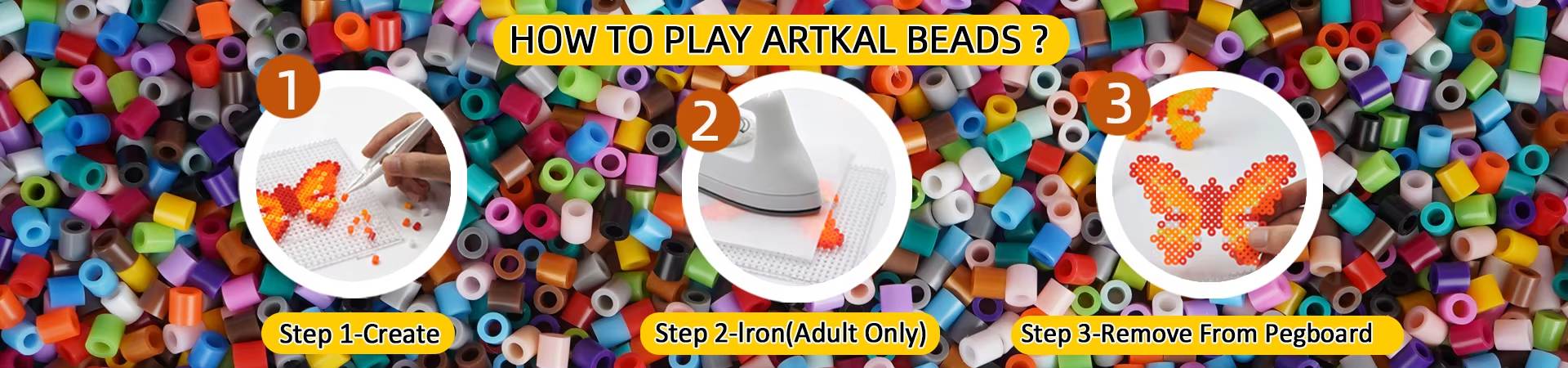
In early childhood education, hands-on learning plays a crucial role in developing essential cognitive and motor skills. Among the most effective tools are kids building blocks, which provide both fun and educational value. These blocks, particularly DIY building blocks and educational building blocks, help children develop STEM (Science, Technology, Engineering, and Mathematics) skills in a playful, engaging way. Ukenn, a trusted brand in children’s educational toys, designs building blocks that combine safety, creativity, and learning potential.
Why STEM Skills Matter in Early Childhood
STEM education is no longer just for school-aged children. Developing STEM skills early helps children:
Build problem-solving abilities
Enhance logical thinking
Improve spatial awareness and coordination
Foster creativity and innovation
Gain confidence in experimenting and learning
Introducing STEM-focused activities in a playful form allows children to learn while enjoying themselves. Kids building blocks provide a perfect foundation for this early learning process.

How Kids Building Blocks Enhance STEM Learning
1. Encourage Problem-Solving and Critical Thinking
When children assemble DIY building blocks, they are constantly making decisions about structure, stability, and design. This trial-and-error process promotes analytical thinking, which is fundamental in STEM education.
2. Develop Spatial and Mathematical Skills
Manipulating educational building blocks helps children understand:
Geometry (shapes and angles)
Measurement and proportion
Symmetry and balance
Through stacking, connecting, and arranging blocks, children strengthen spatial reasoning skills essential for later math and engineering concepts.
3. Foster Creativity and Innovation
DIY building blocks allow children to create freely, combining different colors, shapes, and structures. This hands-on experimentation encourages innovation, imagination, and the ability to think outside the box.
4. Improve Fine Motor Skills
Handling small blocks strengthens hand-eye coordination and dexterity, which are important for writing, drawing, and precision-based STEM tasks.
5. Support Collaborative Learning
Playing with kids building blocks in groups promotes teamwork, communication, and sharing of ideas. Children learn to plan together, negotiate solutions, and build collaborative projects—skills that are invaluable in STEM fields.
Why Ukenn Kids Building Blocks Stand Out
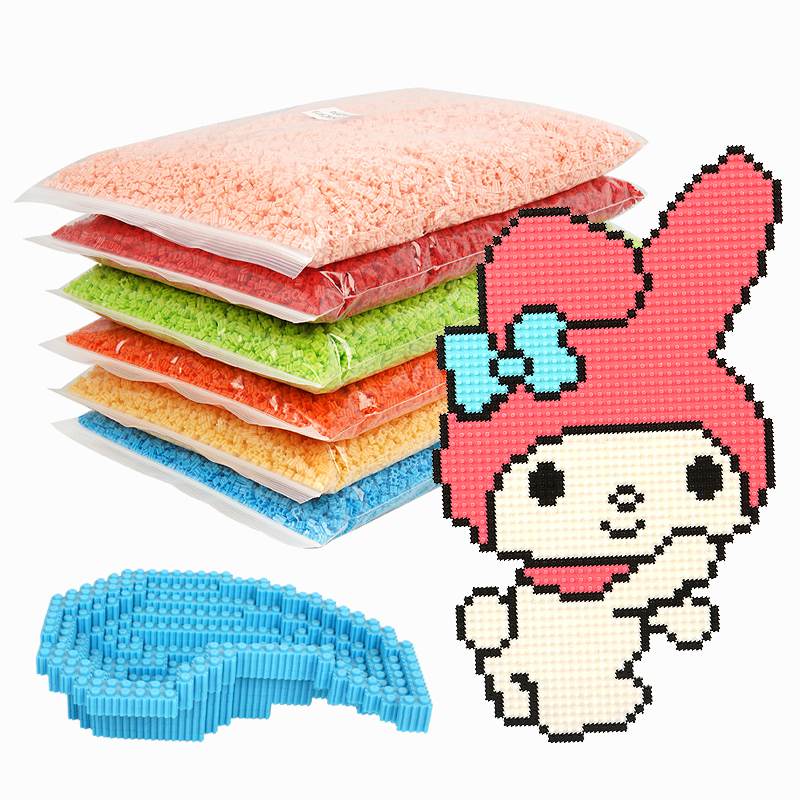
Ukenn specializes in educational building blocks that are safe, versatile, and designed for early STEM learning. Key advantages include:
High-quality, non-toxic materials: Safe for toddlers and preschoolers
Creative DIY designs: Encourages imaginative play and experimentation
Colorful, engaging sets: Supports visual learning and pattern recognition
Durable construction: Suitable for repeated use and complex builds
By combining fun with structured learning, Ukenn blocks make STEM education accessible and enjoyable for children.

How to Use Kids Building Blocks for STEM Activities
Parents and educators can maximize the STEM benefits of building blocks through:
Structured challenges: Ask children to build specific shapes, towers, or patterns
Open-ended projects: Let children freely create their own designs
Problem-solving games: Introduce scenarios where structures must support weight or balance
Story-based learning: Encourage children to integrate blocks into storytelling for spatial and narrative development
These activities help children link hands-on play with conceptual understanding, reinforcing STEM skills naturally
In Conclusion:
Kids building blocks, especially DIY building blocks and educational building blocks, are more than just toys—they are tools for early STEM development. They enhance problem-solving, spatial awareness, creativity, and collaboration in a safe and engaging way. Brands like Ukenn offer high-quality, thoughtfully designed blocks that help children explore, learn, and grow, laying a solid foundation for future STEM success.
By integrating these building blocks into daily play and structured activities, parents and educators can give children an early advantage in science, technology, engineering, and mathematics, all while keeping learning fun and interactive.