

In early childhood education, hands-on learning is not just beneficial—it is foundational. From fine motor development to early math concepts, tactile activities shape how young children understand the world. Among the most versatile tools used in classrooms and homes today are educational craft beads.
But are they truly effective for early childhood learning, or are they simply another craft trend?
This article explores the developmental impact of bead-based learning activities and explains why high-quality options such as Ukenn artkal beads for kids are increasingly used in structured educational environments.
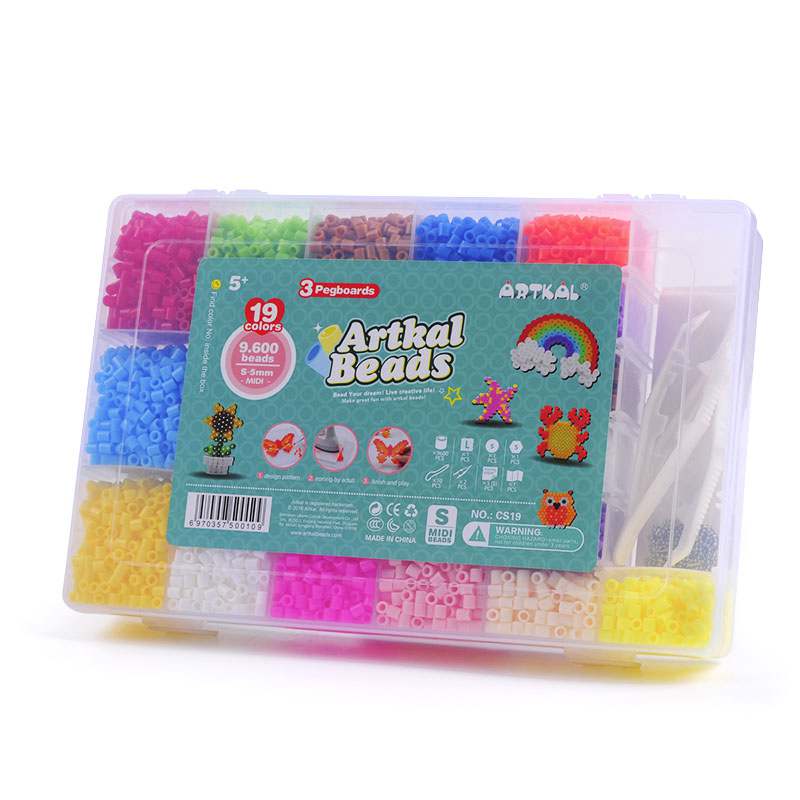
1️⃣ How Educational Craft Beads Support Child Development
Educational psychology consistently highlights the importance of sensory engagement in early learning. Craft bead activities activate multiple developmental domains simultaneously.
Fine Motor Skills
Placing small beads onto pegboards strengthens:
Finger isolation
Hand-eye coordination
Bilateral hand control
Pencil grip readiness
These skills directly support writing development and daily task independence.
Cognitive Development
Pattern building and color sorting with educational craft beads promote:
Logical thinking
Sequencing ability
Spatial awareness
Visual discrimination
Children learn to recognize repetition, symmetry, and structure—core early math foundations.
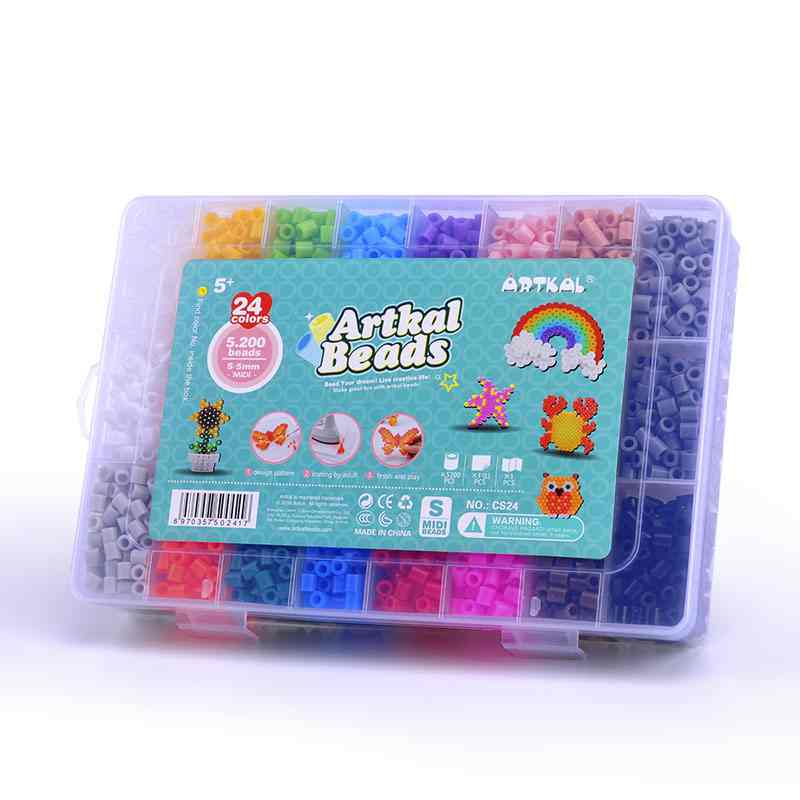
2️⃣ Enhancing Early STEM Learning
Educational craft beads are particularly effective in STEM-aligned classrooms.
Through structured activities, children can:
Count beads for early numeracy
Create geometric patterns
Explore symmetry and pixel-based design
Practice basic engineering thinking through structured layouts
When using artkal beads for kids, educators often incorporate template-based learning sheets to guide structured problem-solving exercises.
This transforms what appears to be a simple craft into an applied learning tool.
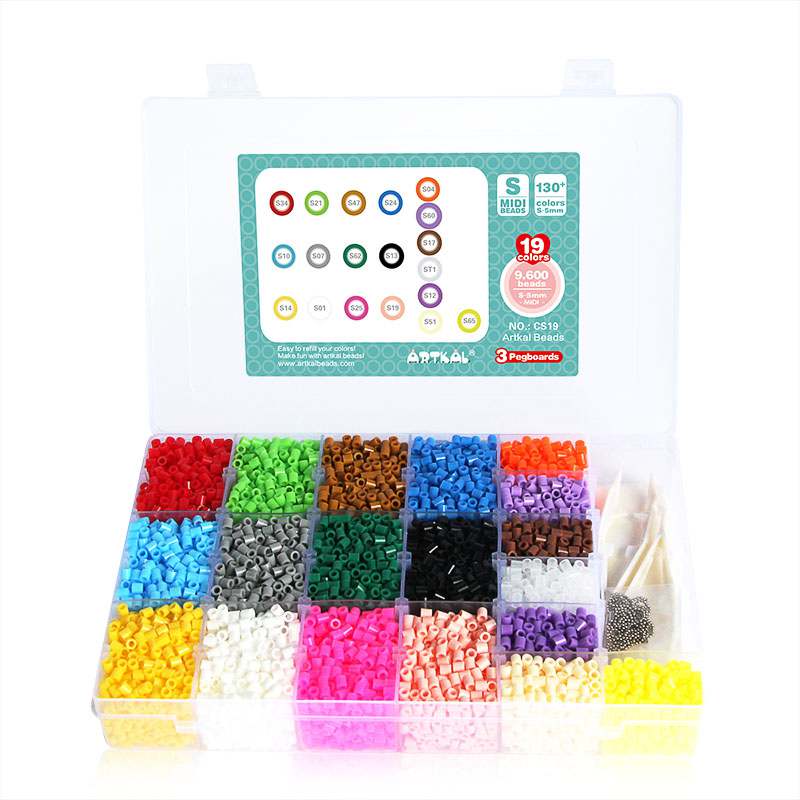
3️⃣ Social and Emotional Benefits
Beyond cognitive gains, bead-based activities also improve:
Patience and focus
Task persistence
Self-regulation
Confidence through completed projects
Group bead activities encourage collaboration and communication, making educational craft beads suitable for both individual and classroom-based instruction.
4️⃣ Are They Only for Young Children?
Interestingly, the benefits extend beyond preschool.
While artkal beads for kids are ideal for early learners due to size and safety considerations, fuse beads for adults are increasingly used in:
Art therapy programs
Occupational therapy
Creative relaxation exercises
Design and pixel art communities
For adults, the activity shifts from foundational learning to stress reduction, creative expression, and advanced design work.
This versatility makes bead-based learning tools adaptable across age groups.
5️⃣ Why Quality Matters in Educational Settings
Not all beads are equal in educational use. For effective classroom application, materials must be:
Non-toxic and safe for children
Consistent in size and melting performance
Durable under repeated handling
Available in structured color sets
Ukenn educational craft beads are designed with uniform dimensions and reliable material quality, ensuring smooth classroom integration and predictable results.
Consistency is especially important when teaching structured lessons involving patterns or symmetry.
6️⃣ Practical Classroom Applications
Educators can incorporate educational craft beads into:
Early Math Lessons
Counting exercises
Pattern extension activities
Sorting by color or size
Creative Expression
Story-based bead art
Alphabet or number formation
Seasonal classroom displays
Fine Motor Centers
Free-design stations
Timed coordination challenges
Collaborative mural projects
With artkal beads for kids, teachers can easily scale activities based on age and ability level.
7️⃣ Research-Based Perspective
Developmental research consistently shows that manipulative-based learning tools improve retention and engagement in early childhood education.
Bead activities combine:
Visual processing
Tactile engagement
Motor planning
Creative decision-making
This multi-sensory integration strengthens neural connections more effectively than passive learning methods alone.
8️⃣ Choosing the Right Educational Craft Beads
When selecting beads for early childhood use, consider:
Bead size (larger sizes for younger children)
Material safety certifications
Ease of storage and organization
Structured color variety
Ukenn offers reliable artkal beads for kids suitable for guided classroom learning, while also supporting advanced creativity with fuse beads for adults.
✅ Final Verdict: Are Educational Craft Beads Effective?
Yes—when used intentionally, educational craft beads are highly effective tools for early childhood learning.
They support:
Fine motor development
Early math and STEM foundations
Cognitive growth
Emotional regulation
Creative confidence
More importantly, they make learning engaging and interactive.
With high-quality materials like Ukenn artkal beads for kids and adaptable options including fuse beads for adults, bead-based learning becomes more than a craft—it becomes a structured educational strategy.
For schools, homeschooling families, and early learning centers, educational craft beads offer a practical, affordable, and developmentally aligned teaching tool.
When properly integrated into lesson plans, they are not just effective—they are transformative.